
Childhood is a time of exploration, discovery, and learning. One of the most effective ways for children to engage with their environment and develop crucial skills is through sensory experiences. Sensory integration games, specifically designed to stimulate multiple senses simultaneously, offer a wealth of benefits for children’s development. These games not only provide a fun and entertaining way to play but also offer valuable opportunities for learning and growth. In this article, we’ll delve into some fun and educational sensory integration games for kids that can help them explore the senses and enhance their overall development.
Sensory Scavenger Hunt: A sensory scavenger hunt is an exciting game that encourages children to use their senses to explore their surroundings. Create a list of items for children to find based on different sensory experiences, such as something soft to touch, something fragrant to smell, or something crunchy to eat. Children can use their sense of touch, smell, sight, taste, and hearing to locate each item, providing a multisensory learning experience.
Texture Guessing Game: In this game, children are blindfolded and presented with various textured objects. They must use their sense of touch to feel each object and guess what it is based on its texture. This game helps children develop tactile discrimination skills and enhances their ability to recognize and describe different textures.
Sensory Sorting Activity: Set up a sensory sorting station with a variety of objects that appeal to different senses, such as smooth stones, scented flowers, colorful beads, and noisy rattles. Encourage children to explore each object using their senses and sort them into different categories based on their sensory properties. This activity helps children develop classification skills and promotes sensory awareness.
Sound Matching Game: Create a sound matching game by placing pairs of objects that make different sounds in opaque containers. Children must shake each container and listen to the sound it makes, then find the matching pair based on the sound. This game helps children develop auditory discrimination skills and enhances their ability to identify and differentiate between sounds.
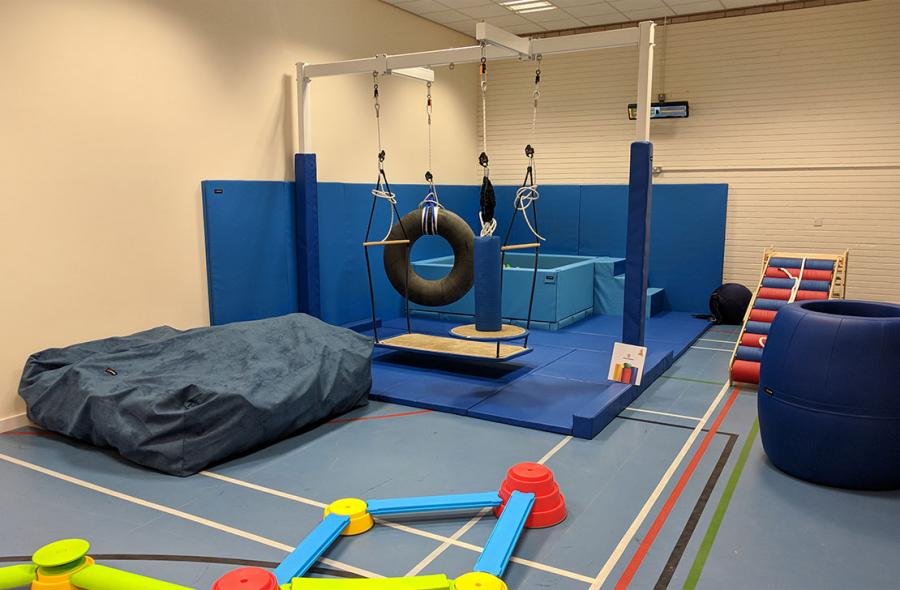
Sensory Obstacle Course: Set up a sensory obstacle course with various sensory stations, such as a tunnel to crawl through, a balance beam to walk across, a textured path to follow, and a sensory bin filled with different materials to explore. Children must navigate through the obstacle course using their senses, incorporating elements of touch, balance, proprioception, and vestibular input. This activity promotes gross motor skills, spatial awareness, and sensory integration.
Taste Testing Game: Conduct a taste testing game where children sample different foods with different flavors, textures, and temperatures. Encourage children to describe the taste, texture, and temperature of each food item and discuss their preferences. This game helps children develop taste discrimination skills, expand their palate, and promote healthy eating habits.
Sensory Storytelling Activity: Engage children in sensory storytelling by incorporating sensory elements into storytelling sessions. Use props, music, scents, and tactile materials to create a multisensory storytelling experience that stimulates children’s imaginations and enhances their comprehension and retention of the story.
Sensory Art Exploration: Encourage children to explore different art materials and techniques that engage their senses, such as finger painting, clay sculpting, and sensory collages. Provide a variety of materials with different textures, colors, and scents for children to experiment with, allowing them to express themselves creatively while engaging their senses.
Sensory Yoga: Practice sensory yoga with children, incorporating sensory input into yoga poses and movements. Use sensory tools such as therapy balls, textured mats, and sensory cushions to enhance the sensory experience during yoga practice. Sensory yoga helps children develop body awareness, balance, coordination, and self-regulation skills.
Sensory Relaxation Station: Create a sensory relaxation station where children can unwind and engage in calming sensory activities, such as deep breathing exercises, mindfulness meditation, and sensory soothing techniques. Provide sensory tools such as stress balls, fidget toys, and sensory bottles to help children regulate their emotions and promote relaxation.
In conclusion, sensory integration games offer a fun and educational way for children to explore their senses and enhance their overall development. By engaging in sensory-rich activities that stimulate multiple senses simultaneously, children can develop crucial skills such as sensory processing, motor coordination, social interaction, and emotional regulation. Incorporating sensory integration games into children’s playtime and learning activities can provide valuable opportunities for sensory exploration, skill development, and holistic growth.