
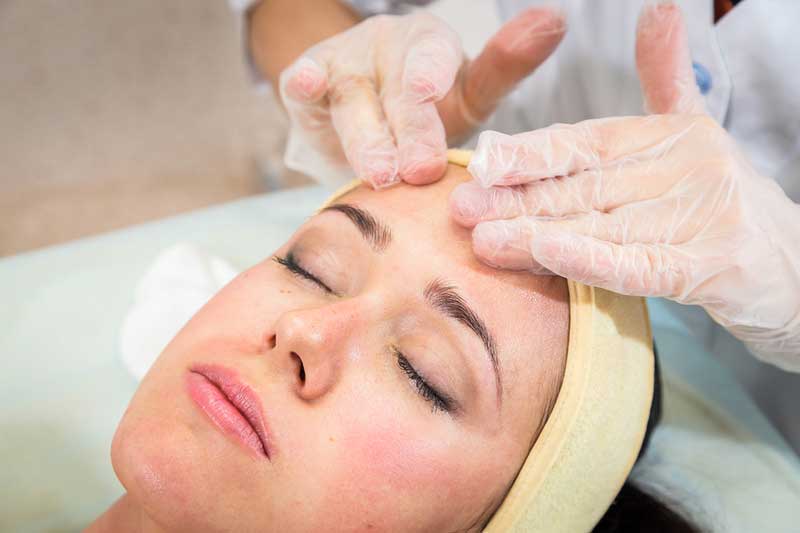
Pain is a feeling that almost everyone likes to escape. People always try to find some other alternative if the original thing is going to cause them pain. Keeping this in mind, there is one great thing which is invented namedNumbing Cream. Numbing cream operate by obstructing sodium channels, preventing sensation of pain from being sent by the neurons that give feeling to the skin. These lotions can be used before cosmetic visits, minor surgery, getting a tattoo, or any other time when the skin is exposed to discomfort. There arenumbing cream for tattoos, numbing cream for skin, there are also special numbing creams for tattoo bootsmade.
Ingredients these creams contain
If you’ve ever used a skin-numbing lotion, you’ve probably heard of lidocaine, which is the active component in almost all of them. Lidocaine is quite potent yet has the advantage of delivering pain relief quickly.
Usage:
- Because numbing cream de-sensitizes the surface to distress, it can be used for a wide range of uses, including:
- to prepare a surgical site for minor procedures
- To reduce local discomfort, such as that caused by tattooing or body piercing. To relieve extreme itching, such as that caused by poison ivy exposure.
- Filling infusions, and laser surgery are all used to reduce discomfort following dermatological procedures.
- To reduce the amount of discomfort experienced during hair removal methods including such waxing or ultraviolet hair removal.
- To treat a small skin abrasion, irritation, and sunburn.
Tips to use and apply numbing creams
- When using numbing cream, follow your healthcare provider’s instructions as well as the medication labelling or product insert.
- Numerous hours before such a surgical treatment, you may also need to put numbing lotion at home. Your healthcare professional will advise you on how much numbing cream to apply and how much to leave it on your skin. Other significant guidelines for using numbing cream include:
- To numb the skin, use the tiniest amount of lotion possible.
- Applying numbing lotion to a big region of skin should be avoided.
- Use numbing cream sparingly on sensitive skin regions.
- Heat should not be administered to the area where the numbing cream has indeed been administered.
- Dressings should not be used on regions of the skin that have been numbed with numbing cream.
- Should you need to wrap the flesh that’s been medicated with numbing cream to keep it in place, check with your healthcare professional first.
- On exposed wounds, avoid using numbing cream.
- When using numbing cream on a youngster, keep in mind that the dosage is determined by the child’s weight.
- Allowing a youngster to apply numbing cream sans parental guidance is never a good idea.
- Numbing cream should be kept at room temperature and protected from moisture in the air.
SummaryNumbing creams work by blocking sodium channels, which prevent pain signals from being delivered by the nerves that give the skin its sensation. These creams can be applied prior to cosmetic procedures, minor surgery, tattooing, and any other period when the epidermis is exposed to pain. To alleviate the pain associated with hair removal techniques including waxing or UV hair removal. Your doctor will tell you what more numbing cream to use and how long you should leave it on your skin. Numbing cream for skin must be stored in the refrigerator and out of direct sunlight.